
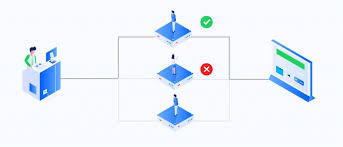
Residential proxies are a preferred solution for anyone needing online privacy, anonymity, and accurate geo-targeting. By routing your internet traffic through IP addresses assigned by real Internet Service Providers (ISPs), these proxies make your connection appear as though it originates from a genuine household.
But one question comes up often: How long can residential proxies actually last?
The answer depends on how you use them, the plan you choose, and the provider’s infrastructure. Understanding these factors helps you maximize their lifespan and get the best value out of your investment.
What Are Residential Proxies and Why Do They Matter?
A residential proxy is an intermediary server that masks your real IP address with one from a physical device connected to a home network. Unlike datacenter proxies, these IPs come from authentic ISP customers, which makes them far less likely to trigger suspicion on websites.
Core advantages include:
- High authenticity – They look like regular users, lowering the risk of detection.
- Geo-targeting precision – You can select IPs from specific regions to view localized content.
- Anonymity and privacy – Your real IP remains hidden, reducing tracking risks.
- Versatility – Suitable for ad verification, market research, social media management, and bypassing geo-blocks.
How Residential Proxies Operate
When connected, your online requests are passed through a residential IP before reaching the target site. This process can either be static (one IP for a set period) or rotating (a new IP at intervals or per request). The type of setup you choose plays a major role in determining how long the proxy remains active and useful.
Factors That Determine Proxy Lifespan
The “lifespan” of a residential proxy refers to how long it remains accessible and effective for your use case. Several elements influence this:
1. Plan Structure (Time-Based vs. Data-Based)
- Time-based plans give you access for a set duration, often 7, 30, or 90 days.
- Data-based plans are tied to bandwidth limits (e.g., 5GB, 50GB). Once you hit that cap, the proxy session ends, regardless of days left.
2. Bandwidth Consumption
High-traffic tasks such as large-scale scraping, streaming, or downloading files can deplete usage quickly. Optimizing scripts, avoiding unnecessary requests, and compressing data can help extend proxy life.
3. Rotation Frequency
Frequent IP rotation increases anonymity but can shorten individual IP sessions, which may be an issue for tasks like account management. Sticky sessions—where an IP is kept for several minutes or hours—are better for consistency.
4. Provider Network Quality
A large, well-maintained IP pool ensures you always have access to fresh addresses, reducing the risk of bans and improving longevity.
5. Usage Intensity
- Low-intensity usage (occasional browsing, light monitoring) can keep proxies active for weeks or months.
- High-intensity usage (scraping thousands of pages per hour) can consume bandwidth in days.
Typical Duration Scenarios
- Short-term projects: Campaign-based tasks like one-time research may only need a proxy for a few days.
- Ongoing business operations: Long-term SEO monitoring or brand protection may require month-to-month subscriptions.
- Unlimited access plans: Some providers offer no bandwidth cap, making proxies usable for as long as your subscription remains active.
How to Extend the Lifespan of Residential Proxies
To get the maximum value from your proxies:
- Track your bandwidth usage – Use monitoring tools to avoid overages.
- Optimize request efficiency – Reduce unnecessary page loads or duplicate requests.
- Match location settings – Align your device time zone and language with your proxy’s region to avoid suspicion.
- Use sticky sessions where appropriate – Prevent unnecessary IP changes for long tasks.
- Distribute load across multiple IPs – Spread traffic to avoid overusing a single address.
Common Myths About Proxy Longevity
- “Residential proxies last forever.”
False. They are subject to time limits, bandwidth caps, and provider policies. - “Usage doesn’t affect lifespan.”
Heavy activity drains data faster, cutting proxy life short. - “All providers offer the same duration.”
Plans vary widely; some prioritize speed, others longevity.
Final Takeaway
The lifespan of a residential proxy is shaped by your usage habits, provider plan type, and network quality. While some may last for weeks under light usage, others could be consumed in days with high-volume activity.
If your goal is long-term reliability, choose a provider with:
- Flexible plans (both time and bandwidth-based options)
- A large, frequently refreshed IP pool
- Sticky and rotating proxy options
- Transparent usage tracking
By understanding these factors and planning strategically, you can ensure your residential proxies last longer, maintain performance, and deliver consistent results—whether you’re scraping data, managing accounts, or bypassing geo-restrictions.
 Global Residential Proxy Solutions
Leave a comment