
The internet relies on the Internet Protocol (IP) to identify and locate devices. Every smartphone, laptop, IoT gadget, and server needs a unique IP address to communicate.
For decades, IPv4 has been the standard. However, the world is rapidly running out of IPv4 addresses due to the explosive growth of devices. IPv6 was introduced as the next-generation solution, providing a vastly larger address space and improved networking features.
What is IPv4?
IPv4 (Internet Protocol version 4) is a 32-bit addressing system that assigns unique identifiers to devices. An IPv4 address consists of four numbers separated by dots, such as 192.168.1.1.
It was introduced in the early 1980s and has served as the backbone of the internet for decades. Despite its success, the limited number of available addresses—approximately 4.3 billion—has become a challenge.
Advantages of IPv4
- Proven Technology – IPv4 is well-tested, reliable, and compatible with almost all existing devices and services.
- Simple Implementation – Network engineers have decades of experience deploying and managing IPv4 systems.
Disadvantages of IPv4
- Address Shortage – IPv4 cannot meet the needs of modern global connectivity.
- Dependence on NAT – Network Address Translation extends IPv4’s life but adds complexity.
- Security Gaps – IPv4 was not designed with strong built-in encryption or authentication.
What is IPv6?
IPv6 (Internet Protocol version 6) is the upgraded version of IPv4. It uses 128-bit addresses, written in hexadecimal format, such as:
2001:0db8:85a3:0000:0000:8a2e:0370:7334
IPv6 supports 3.4 × 10^38 possible addresses—enough to assign billions of addresses to every person on Earth.
Advantages of IPv6
- Massive Address Space – Eliminates the shortage problem permanently.
- Simplified Configuration – Supports automatic address assignment with Stateless Address Autoconfiguration (SLAAC).
- Better Performance – More efficient routing, no NAT overhead, and faster data transfer.
- Built-in Security – Supports IPsec for encrypted communication by default.
Disadvantages of IPv6
- Transition Difficulty – IPv4 and IPv6 are not directly compatible.
- High Upgrade Cost – Requires new hardware, software updates, and training.
- Address Management Challenges – Large address space demands careful planning.
IPv4 vs IPv6: Key Differences
| Feature | IPv4 | IPv6 |
|---|---|---|
| Address Size | 32-bit (4 bytes) | 128-bit (16 bytes) |
| Number of Addresses | ~4.3 billion | ~3.4 × 10^38 |
| Configuration | Manual/DHCP | SLAAC or DHCPv6 |
| NAT Usage | Common | Not required |
| Broadcast Support | Yes | No (uses multicast/anycast) |
| Security | Optional (via IPsec) | Mandatory IPsec support |
Why Transition to IPv6?
IPv6 isn’t just about more addresses—it improves network efficiency, supports modern applications, and enhances security. Without it, the internet cannot scale to meet the demands of emerging technologies like IoT, autonomous vehicles, and global digital infrastructure.
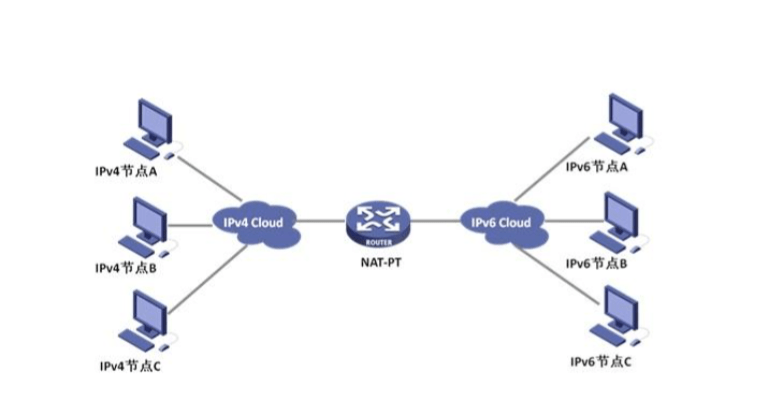
However, the migration is gradual. Dual-stack systems, tunneling, and NAT64 are being used during the transition to allow IPv4 and IPv6 to coexist.
Conclusion
IPv6 represents the future of internet addressing. While IPv4 remains in widespread use, its limitations are becoming increasingly evident. Transitioning to IPv6 will ensure the internet remains scalable, efficient, and secure for decades to come.
 Global Residential Proxy Solutions
Leave a comment