
When you purchase a proxy and run a proxy detection test, the system often returns a result that shows either “hosting” or a specific ISP name. These refer to two fundamentally different types of proxies: Datacenter Proxies (hosting) and ISP Residential Proxies.
Understanding the Difference Between Datacenter Proxies and ISP Residential Proxies
1. What Is an ISP Residential Proxy?
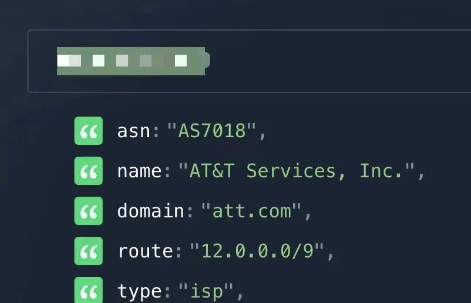
ISP stands for Internet Service Provider. These companies provide users with internet access, information services, and related online utilities. Every time you browse the web, play games, or use social media, you’re doing so through an ISP.
An ISP Residential Proxy is essentially an IP address assigned by an ISP to a real household or device. These proxies are also called real residential proxies because the IPs originate from legitimate users or homes, making them highly trustworthy in the eyes of websites. They’re ideal for avoiding detection or bans during activities like social media management, web scraping, or sneaker botting.
2. What Is a Hosting (Datacenter) Proxy?

A Datacenter Proxy, also referred to as a hosting proxy, is issued by a secondary provider—not a mainstream ISP. It’s typically located in a cloud hosting server or data center environment. These IP addresses do not represent real users or households. Instead, they act as a cloaked shield to mask your real IP, offering speed and availability.
However, because they’re not tied to real users, datacenter proxies are more likely to get flagged by websites and blocked by services such as Facebook, TikTok, or Google, which increasingly rely on advanced IP validation tools.
3. Key Differences Between Datacenter and Residential Proxies
| Feature | ISP Residential Proxy | Datacenter Proxy |
|---|---|---|
| Source | Real household (provided by ISP) | Data center / cloud hosting provider |
| Trust Level | High (real users) | Low (often flagged by websites) |
| Speed | Moderate (may use middle-layer routing) | Fast (direct routing, no ISP-level latency) |
| Price | Higher (scarce and geo-targeted) | Lower (large IP pools, cheaper maintenance) |
| Availability | Limited in rare regions | Large-scale availability worldwide |
| Risk of Detection | Low | High |
| Use Cases | Account management, ad verification, SEO | Price monitoring, bulk scraping, automation |
Both types of proxies are capable of hiding your real IP address, but their effectiveness and risk levels vary depending on your usage scenario.
4. How to Choose the Right Proxy for You
Choosing the right proxy depends on your priorities:
- If you value trust and security: Choose ISP residential proxies. They’re more reliable for sensitive operations such as managing multiple accounts on platforms like Instagram, TikTok, or Gmail, where identity verification is strict.
- If you prioritize cost and speed: Go with datacenter proxies. They’re great for high-volume, low-sensitivity tasks such as scraping search engines, testing applications, or accessing geo-blocked content.
However, no matter what proxy you select, always test before committing. Real-world performance varies depending on your specific use case and the destination website. Only through actual testing can you determine the most suitable proxy for your needs.
 Global Residential Proxy Solutions
Leave a comment